Tesla Officially Discontinues Autopilot in Favor of Full Self-Driving
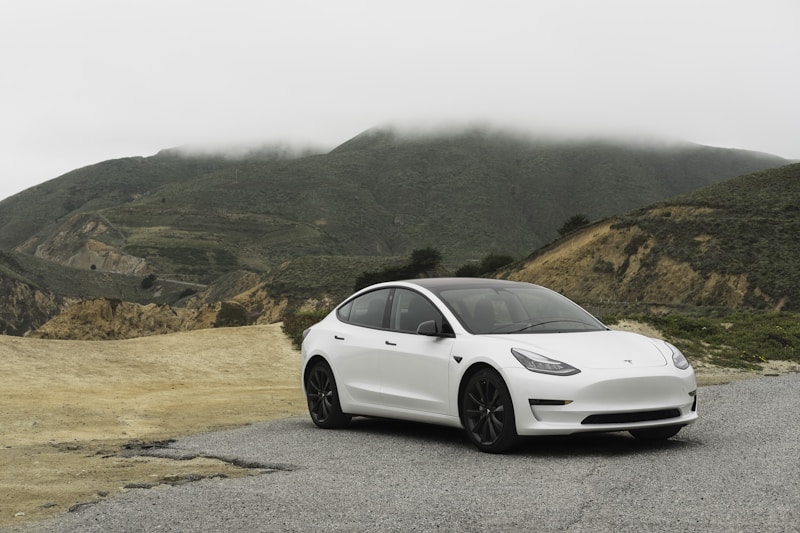
In a move that's been anticipated by industry watchers for months, Tesla has officially announced the discontinuation of its Autopilot driver assistance system. Going forward, all new Tesla vehicles will come equipped with the company's more advanced Full Self-Driving (FSD) technology as the standard offering.
End of an Era
Autopilot has been a cornerstone of Tesla's appeal since it was first introduced in 2014. The system, which provided features like adaptive cruise control, lane keeping, and automatic lane changes, helped establish Tesla as the leader in automotive technology. However, as the company's FSD capabilities have matured, Autopilot has increasingly been seen as a legacy product.
The decision to discontinue Autopilot reflects Tesla's confidence in its Full Self-Driving technology and its vision for the future of autonomous vehicles. According to company statements, maintaining two separate systems created unnecessary complexity and diverted engineering resources.
What This Means for Current Owners
For current Tesla owners with Autopilot, here's what you need to know:
- Existing Autopilot Features Continue: Your current Autopilot functionality will continue to work and receive maintenance updates
- Upgrade Path Available: Tesla is offering discounted FSD upgrades for Autopilot owners who want to switch
- No Forced Changes: There's no requirement to upgrade – your car will continue functioning as it does today
- Hardware Considerations: Some older vehicles may need hardware upgrades to support full FSD functionality
The Full Self-Driving Difference
While Autopilot was primarily a highway-focused system, FSD extends autonomous capabilities to city streets, parking lots, and complex intersections. The key differentiators include:
Navigate on City Streets
FSD can handle traffic lights, stop signs, roundabouts, and complex urban intersections. The system recognizes pedestrians, cyclists, and other road users with sophisticated prediction of their movements.
Summon and Smart Parking
Your Tesla can navigate parking lots independently, find a parking spot, and park itself. When you're ready to leave, it can pick you up at your location.
Automatic Lane Changes
While Autopilot required confirmation for lane changes, FSD makes them automatically when beneficial, always prioritizing safety.
Safety and Regulatory Considerations
Tesla emphasizes that FSD, despite its name, still requires driver attention and readiness to take over at any moment. The company has implemented numerous safety features to ensure drivers remain engaged:
"Full Self-Driving Capability does not make the vehicle autonomous. The currently enabled features require a fully attentive driver who has their hands on the wheel and is prepared to take over at any moment." - Tesla
Regulatory approval for truly autonomous operation varies by jurisdiction, and Tesla continues to work with authorities worldwide to expand FSD capabilities as regulations allow.
Pricing Changes
With this transition, Tesla has restructured its pricing. New vehicles will include basic FSD capabilities in their base price, with a subscription option for the full feature set. This represents a shift from the previous model where FSD was a significant additional purchase.
The subscription model, at $199/month, has proven popular with customers who want flexibility without the large upfront cost. Tesla reports that subscription adoption has increased 300% over the past year.
Industry Implications
Tesla's move puts pressure on other automakers who are still developing their autonomous driving technologies. While companies like Waymo and Cruise have focused on robotaxi services, Tesla's approach of selling autonomous capabilities directly to consumers creates a different market dynamic.
Traditional automakers including GM, Ford, and Mercedes-Benz have been developing their own advanced driver assistance systems, but none have achieved the market penetration of Tesla's offerings.
Looking Ahead
This announcement is part of Tesla's broader vision to eventually deploy a fleet of autonomous robotaxis using customer vehicles. The company has long discussed the possibility of Tesla owners allowing their cars to operate as taxis when not in personal use, generating income for the owner.
While that vision remains years away from widespread implementation, the discontinuation of Autopilot in favor of FSD is a clear step in that direction. Tesla is betting that the future of transportation is fully autonomous, and they're positioning themselves to lead that transition.
For updates on Tesla's autonomous driving developments and other automotive technology news, stay connected with GetUpdated.