Zipline Expands Drone Delivery Operations Across Multiple Countries
Zipline, the pioneering drone delivery company, has announced a significant expansion of its operations across multiple continents. The company, which began by delivering blood and medical supplies in Rwanda, is now bringing its autonomous delivery technology to new markets and new use cases.
The Expansion Announcement
Zipline's latest expansion includes new operations in:
- India: Partnering with state governments to deliver medical supplies to remote areas
- Brazil: Launching consumer delivery services in select urban areas
- Japan: Working with healthcare systems to speed up laboratory sample transport
- United States: Expanding beyond current pilot programs to additional states
The company has also announced partnerships with major retailers and healthcare providers that will significantly increase its delivery volume.
How Zipline's Technology Works
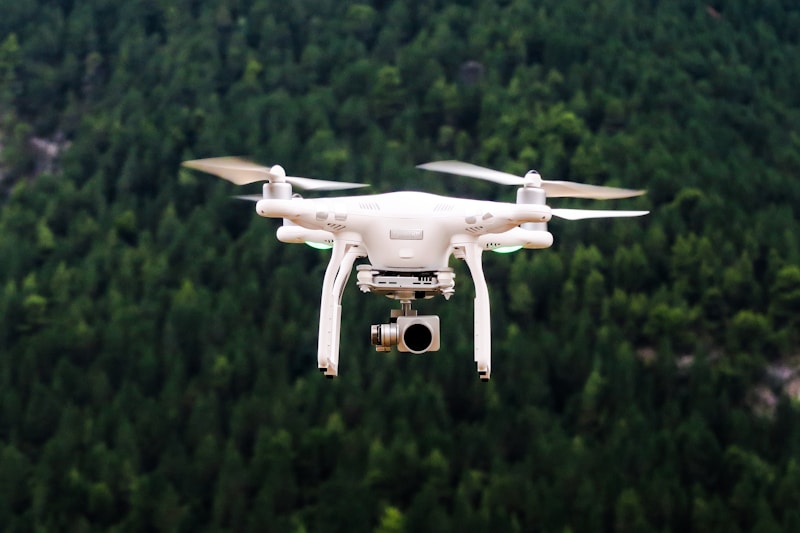
Unlike the quadcopter drones most people are familiar with, Zipline uses fixed-wing autonomous aircraft that can fly up to 100 kilometers (62 miles) at speeds exceeding 100 km/h. Key features include:
Launch and Recovery System
Zipline drones are launched from a catapult system and recovered by catching them with a wire, similar to aircraft carriers. This eliminates the need for runways and allows operations from compact facilities.
Precision Delivery
Packages are dropped via parachute with remarkable accuracy – typically landing within a 2-meter radius of the target. Recipients receive SMS notifications when their delivery is approaching.
All-Weather Capability
The drones can operate in conditions that ground traditional delivery vehicles, including moderate rain and wind, making them particularly valuable in regions with challenging terrain.
The Healthcare Impact
Zipline's most significant impact has been in healthcare delivery. The company's systems have delivered:
- Millions of doses of vaccines
- Blood products that save lives in emergencies
- Critical medications to remote communities
- Laboratory samples for faster diagnostics
"Every minute counts in a medical emergency. Our drones can reach remote health centers in 30 minutes that would take hours by road – or might not be reachable at all during rainy season." - Zipline CEO
Expanding into Consumer Delivery
While healthcare remains core to Zipline's mission, the company is increasingly moving into consumer delivery. Recent partnerships include:
- Retail giants for same-day package delivery
- Restaurant chains for food delivery in select markets
- E-commerce platforms for instant delivery services
The company's Platform 2, its newest drone system, is designed specifically for consumer delivery applications and can carry larger payloads.
The Technology Behind the Scenes
What makes Zipline's operations possible is sophisticated software infrastructure:
- Flight Planning: AI systems optimize routes based on weather, airspace restrictions, and delivery priorities
- Traffic Management: Dozens of drones can operate simultaneously from a single distribution center
- Quality Control: Automated systems ensure packages meet temperature and handling requirements
- Integration: APIs connect Zipline's systems to partner ordering and inventory platforms
Regulatory Progress
One of the biggest challenges for drone delivery has been navigating regulatory frameworks. Zipline has made significant progress:
- FAA approval for beyond-visual-line-of-sight operations in the US
- Regulatory frameworks established in Rwanda, Ghana, Nigeria, and Kenya
- Working relationships with aviation authorities in new expansion countries
The company's safety record – millions of deliveries with no incidents – has helped build regulatory confidence in drone delivery.
Environmental Impact
Zipline promotes its environmental benefits:
- Electric drones produce no direct emissions during flight
- More efficient than truck delivery for many use cases
- Reduced need for road infrastructure in remote areas
Critics note that the full environmental impact depends on how the electricity is generated and the embodied carbon in manufacturing the drones, but independent analyses suggest net positive environmental effects in most scenarios.
What This Means for the Future
Zipline's expansion signals that drone delivery is moving from experimental to mainstream. Implications include:
- For Healthcare: More equitable access to medical supplies globally
- For Commerce: New expectations for delivery speed and convenience
- For Logistics: Transformation of last-mile delivery economics
- For Jobs: New roles in drone operations and maintenance
While challenges remain – including public acceptance, airspace integration, and scaling operations – Zipline's continued growth demonstrates that drone delivery is no longer science fiction.
Follow GetUpdated for ongoing coverage of innovations in logistics and transportation technology.